
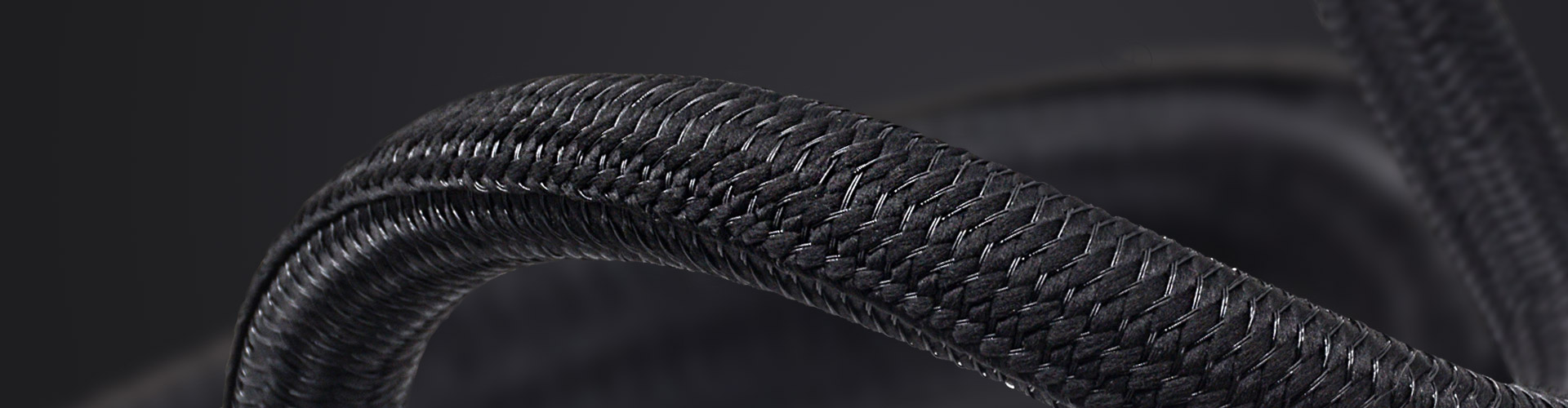
As renewable energy charging infrastructure continues to expand into outdoor and public environments, the protection requirements for EV charging cables are undergoing a noticeable shift.
For charging systems designed for long-term operation, cables are no longer expected to withstand only everyday wear and environmental exposure. Their ability to remain secure under sudden external forces is becoming an increasingly important consideration for project owners.
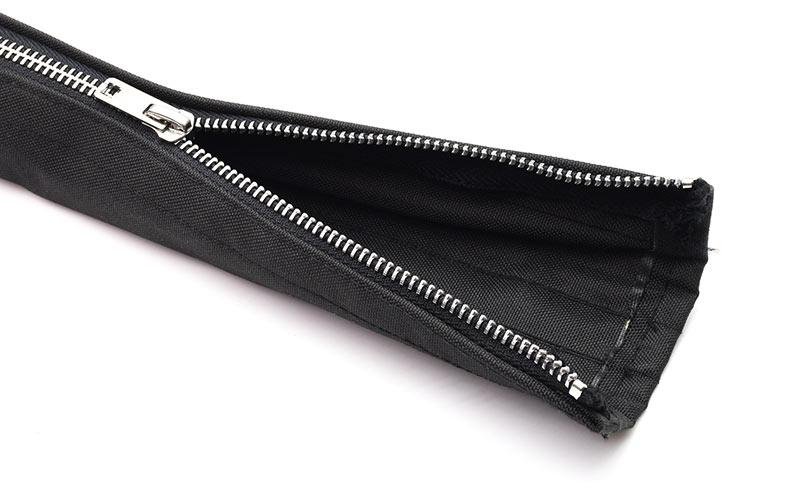
Traditional cable sleeving solutions are primarily designed around abrasion resistance, flame retardancy, and basic environmental protection. These solutions perform reliably under standard operating conditions, but their protection logic often shows limitations when applied to more complex public-use scenarios.
From an engineering perspective, abrasion resistance and cut resistance address fundamentally different protection challenges. Abrasion results from long-term, dispersed friction, whereas cutting involves concentrated, instantaneous, and highly destructive external forces. As a result, anti-cut protection cannot be achieved simply by increasing material thickness; it requires a redefinition of protection strategies through material performance and structural design.
Against this backdrop, the concept of anti-cut cable protection has gradually been introduced into EV charging applications. The objective is not to maximize a single performance metric, but to delay damage progression under concentrated external forces through optimized material selection and structural design, thereby reducing maintenance risks caused by cable failure.
This shift in protection philosophy marks the transition of EV charging cable protection from basic safeguarding toward system-level reliability assurance.