
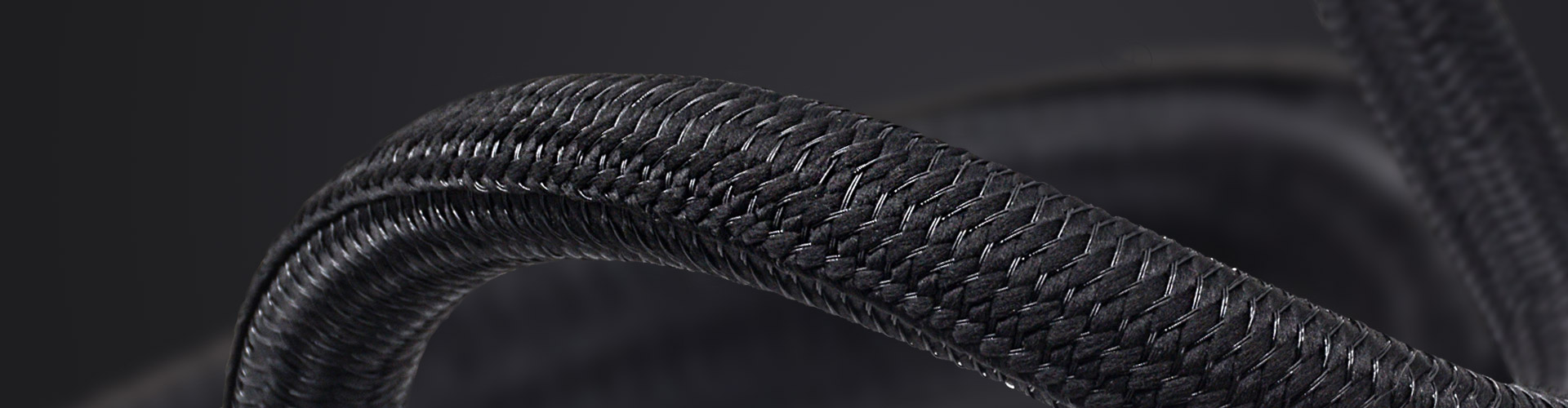
Nylon covers are widely used in hydraulic and fluid control systems to reduce the risks associated with oil leakage and component failure. However, their function is often misunderstood. Nylon covers are not pressure-rated components—they are safety devices designed to manage oil spray hazards.
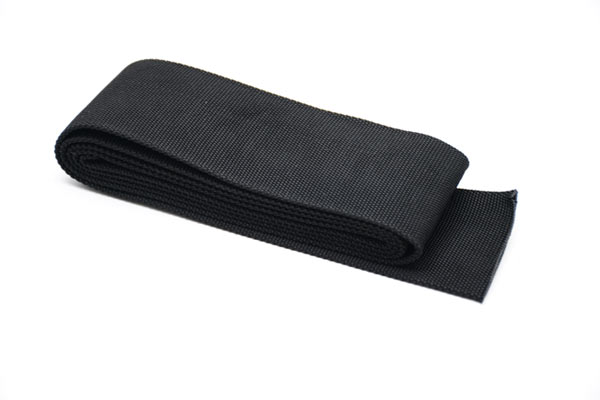
Why Nylon Covers Do Not Carry Pressure
In applications such as pinch valves and hydraulic actuators, nylon covers are installed externally. Hydraulic oil never flows inside the cover, meaning the internal pressure of the cover remains near zero during normal operation.
When a valve or fitting fails, oil escapes at high velocity. At this moment, nylon covers act as a spray suppression barrier, not a pressure vessel.
How Nylon Covers Protect Personnel and Equipment
When exposed to high-pressure oil spray:
Dense nylon fibers intercept the oil jet
Jet energy is dispersed across the woven structure
Spray velocity drops dramatically
Oil exits as seepage rather than a cutting jet
| Cover Structure | Protection Effect |
|---|---|
| Standard low-density cover | Insufficient spray control |
| High-density nylon cover | Effective spray dispersion |
| Reinforced nylon cover | Enhanced safety margin |
This mechanism significantly reduces injury risk, oil mist exposure, and equipment contamination.
Selecting Nylon Covers Based on Risk Level
PN ratings define the operating limits of valves and pipelines, but they help identify leakage risk severity:
| PN Rating | Risk Level | Nylon Cover Recommendation |
|---|---|---|
| PN6 | Low | Optional protection |
| PN10 | Moderate | High-density nylon covers |
| PN16 | Elevated | Reinforced nylon covers |
| PN25+ | High | Multi-layer or rigid protection |
Nylon covers provide critical secondary protection in industrial hydraulic systems where safety compliance is essential.