
In industrial automation and banking equipment, fine sensor wires are easy to damage during routine maintenance. Broken wires not only disrupt signals but also increase downtime and labor costs. Choosing the right cable sleeving ensures both protection and easy access, reducing risks and saving time.
1. Identify the Real Maintenance Risks
Fine sensor wires often fail not during operation, but when engineers or technicians perform:
l Opening panels for inspection
l Replacing modules
l Adjusting or rerouting cables
Traditional rigid or sealed solutions make maintenance cumbersome, increasing the chance of accidental wire damage.
2. Why Structure Matters More Than Thickness
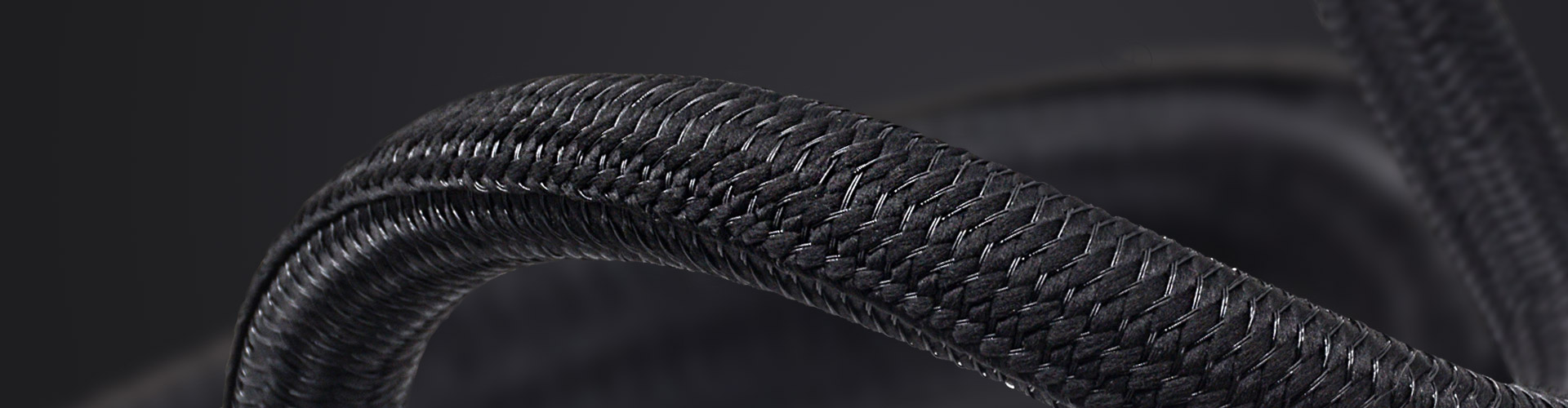
For fine wires, thicker protection does not always mean safer. Flexible solutions like braided or self-wrapping sleeving:
l Reduce stress concentration at connectors
l Allow easy inspection and replacement
l Absorb vibration and bending along the wire
These features prevent micro-breaks and ensure long-term signal reliability.
3. When Self-Wrapping Sleeving Is the Optimal Choice
Self-wrapping sleeving is ideal when maintenance is frequent:
l Install without disconnecting connectors
l Access wires repeatedly without removing the sleeve
l Protect wires from abrasion while keeping them visible
This approach balances protection with usability, especially in sensor modules and control panels.
4. Selection Checklist
When selecting sleeving, prioritize:
l Compatibility with small-diameter wires
l Flexibility and bending radius
l Abrasion resistance at contact points
l Flame retardancy (UL94 V0)
l Ease of maintenance
Fine sensor wire protection is about balancing durability and maintenance efficiency. Self-wrapping or braided textile sleeving provides reliable protection while reducing downtime and service costs.